
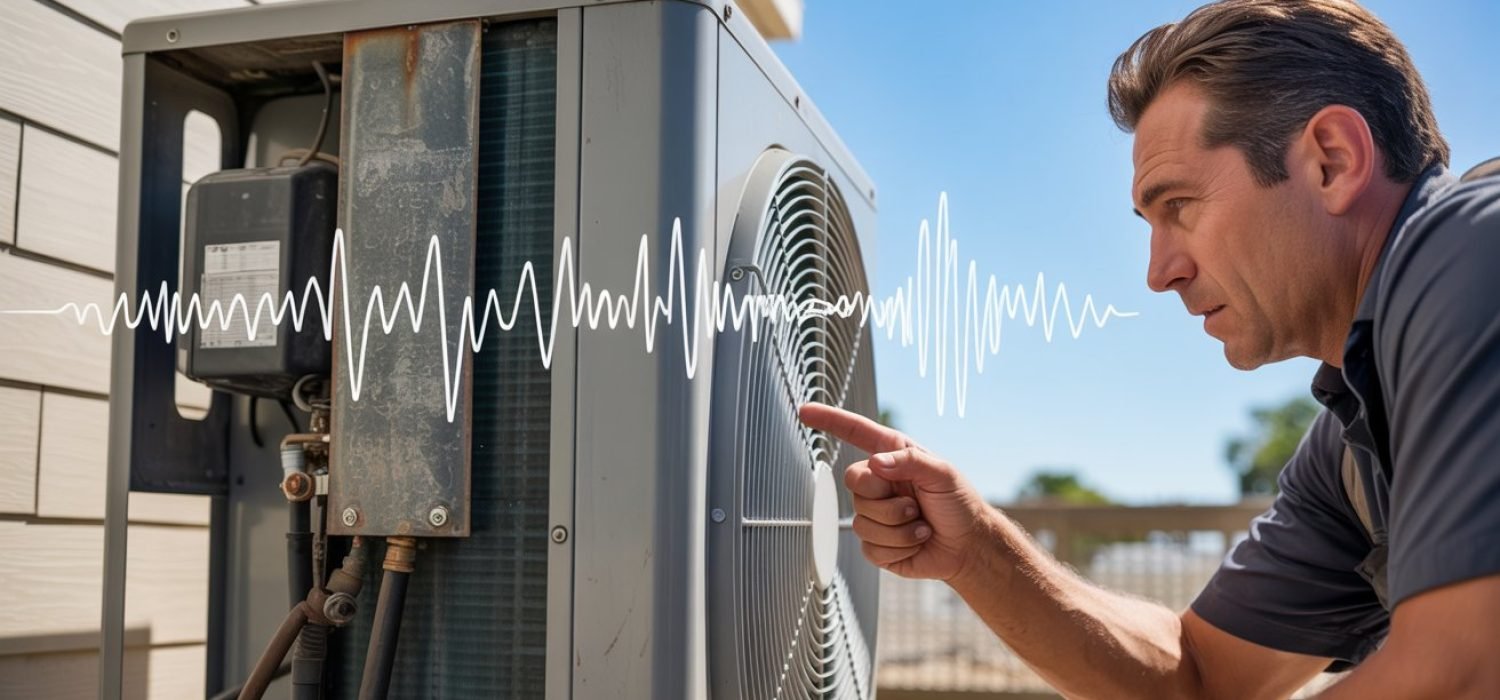
Your air conditioner works overtime during Katy’s sweltering summers, and recognizing when it needs emergency repair can save you from uncomfortable nights and costly damage. While some AC issues can wait for regular business hours, others demand immediate attention to prevent system failure or safety hazards.
Understanding the difference between routine maintenance needs and emergency situations helps you make informed decisions about your cooling system. This guide will walk you through the critical warning signs that indicate your AC requires urgent professional attention, helping you protect both your comfort and your investment.
What Are the Warning Signs of a Failing Air Conditioner in Katy?
Your AC system communicates through various signals when something goes wrong. Learning to recognize these warning signs early can prevent minor issues from escalating into expensive emergencies.
Strange Noises That Demand Attention
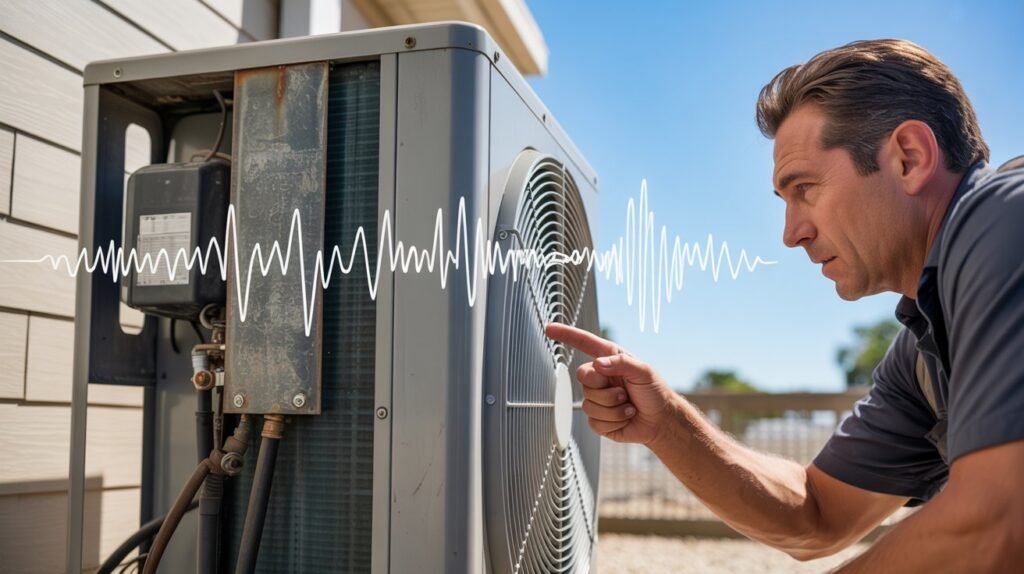
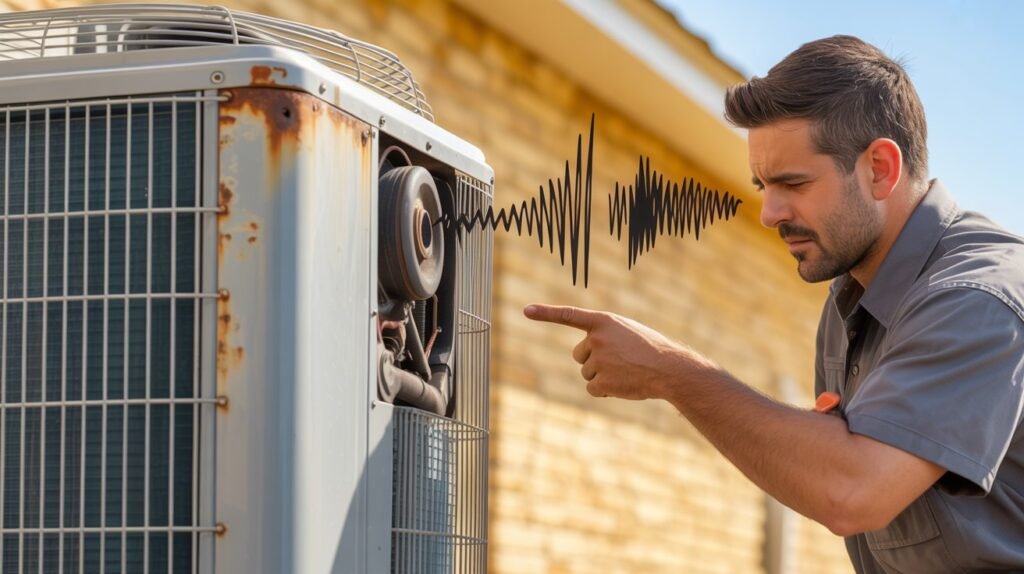
Normal AC operation produces a gentle hum, but unusual sounds often indicate serious problems. Grinding noises typically point to worn bearings in the motor, while squealing suggests belt issues. Banging or clanking sounds may indicate loose or broken internal components that could cause additional damage if left unaddressed.
Clicking sounds during startup are normal, but continuous clicking usually signals electrical problems. If you hear any of these sounds, especially during peak summer months when your system works hardest, consider calling for emergency repair.
Poor Airflow and Temperature Issues
When your AC struggles to maintain cool temperatures or produces weak airflow, several underlying problems could be at play. Blocked vents, dirty filters, or ductwork issues might cause reduced airflow, but more serious problems like compressor failure or refrigerant leaks require immediate professional intervention.
If your system runs continuously without reaching the set temperature, or if some rooms remain significantly warmer than others, these symptoms suggest your AC cannot handle its cooling load effectively.
Visible Signs of System Distress
Ice formation on your AC unit, particularly on the evaporator coils or refrigerant lines, indicates serious problems that require immediate attention. While ice might seem counterintuitive for a cooling system, it actually prevents proper heat exchange and can damage your compressor.
Water leaks around your indoor unit also signal urgent problems. While minor condensation is normal, pools of water suggest clogged drain lines, frozen coils, or other issues that could cause water damage to your home.
How Can Rising Energy Bills Indicate an AC Problem?
Sudden spikes in your electricity bills often serve as early warning signs of AC inefficiency. When your system works harder to achieve the same cooling results, it consumes significantly more energy.
Identifying Abnormal Energy Consumption
Compare your current energy bills to the same months from previous years. A 20% or higher increase without corresponding changes in usage patterns or utility rates suggests your AC system is struggling. This inefficiency often stems from worn components, refrigerant leaks, or dirty coils that force your system to work overtime.
The Cost of Delayed Repairs
Ignoring efficiency problems compounds both energy costs and repair expenses. A struggling AC system puts additional strain on all components, potentially leading to multiple system failures. Emergency repairs during peak summer demand also cost significantly more than scheduled maintenance.
Monitor your energy consumption closely during hot months. If you notice persistent increases despite normal usage, schedule an inspection before minor inefficiencies become major emergencies.
Why Is My AC Unit Short Cycling, and Is It an Emergency?
Short cycling occurs when your AC turns on and off frequently in short intervals instead of running complete cooling cycles. This pattern indicates serious underlying problems that require immediate attention.
Understanding Short Cycling Causes
Several issues can cause short cycling, including oversized units, thermostat problems, or restricted airflow. However, the most concerning causes include refrigerant leaks, compressor issues, or electrical problems that could pose safety hazards.
When your system short cycles, it never reaches peak efficiency and puts excessive wear on startup components. The frequent on-off cycling also prevents proper dehumidification, leaving your home feeling clammy even when temperatures seem acceptable.
When Short Cycling Becomes an Emergency
If short cycling occurs alongside other symptoms like strange noises, burning smells, or visible ice formation, treat it as an emergency situation. These combined symptoms often indicate imminent system failure or potentially dangerous electrical issues.
Short cycling during extreme heat waves also qualifies as an emergency since your system cannot maintain safe indoor temperatures. Extended periods without adequate cooling can pose health risks, particularly for elderly family members or those with medical conditions.
What Should I Do If I Smell Burning Odors from My AC?
Burning smells from your AC system always warrant immediate attention and often qualify as emergency situations requiring professional intervention.
Types of Burning Smells and Their Meanings
Different burning odors indicate various problems. A metallic or electrical burning smell suggests overheating electrical components or wiring issues that could pose fire hazards. Sweet, chemical-like odors might indicate refrigerant leaks, while dusty burning smells at season startup usually resolve after initial operation.
However, persistent burning odors, especially those resembling burning plastic or rubber, require immediate system shutdown and professional inspection. These smells often indicate serious electrical problems or component failures that could escalate quickly.
Immediate Safety Steps
If you detect burning odors from your AC, turn off the system immediately at both the thermostat and the circuit breaker. Check for visible signs of burning or damage around the unit, but avoid touching any components. Ensure adequate ventilation in the area and contact emergency repair services.
Never attempt to restart a system that has produced burning odors until a qualified technician has inspected and cleared it for operation. The potential for fire or electrical hazards makes this a clear emergency situation.
How Can High Indoor Humidity Affect My AC’s Performance?
Your AC system removes humidity along with heat, so persistent high indoor humidity often indicates cooling system problems that may require urgent attention.
Normal vs. Problematic Humidity Levels
Indoor humidity should typically range between 30-50% during summer months. Levels consistently above 60% suggest your AC cannot adequately remove moisture from the air, potentially indicating frozen coils, clogged drains, or inadequate system capacity.
High humidity creates multiple problems beyond comfort issues. It promotes mold growth, damages wooden furniture and floors, and makes your home feel warmer than the actual temperature, forcing your AC to work harder.
Health and Comfort Implications
Excessive humidity creates an ideal environment for dust mites, mold, and bacteria, potentially triggering allergies and respiratory issues. During Katy’s humid climate, your AC plays a crucial role in maintaining healthy indoor air quality.
If your humidity levels remain high despite normal AC operation, especially during moderate weather when cooling demands are reasonable, this suggests system problems that require professional diagnosis and potentially emergency repair.
When Should I Call for Emergency AC Repair in Katy?
Determining when AC problems constitute emergencies helps you prioritize repairs and avoid unnecessary after-hours service charges while ensuring your family’s safety and comfort.
Clear Emergency Situations
Certain situations always qualify as emergencies requiring immediate professional attention. These include any burning smells, electrical sparking, or signs of fire hazard around your AC unit. Water leaks that threaten property damage or complete system failure during extreme heat also demand urgent response.
If your AC stops working entirely during heat advisories or when outdoor temperatures exceed 95°F for extended periods, consider this an emergency situation, especially if vulnerable family members are present.
Situations That Can Wait
Some AC problems, while inconvenient, can typically wait for regular business hours. Minor temperature fluctuations, slightly elevated energy bills, or occasional strange noises that don’t persist usually don’t require emergency service.
However, trust your instincts about your family’s safety and comfort. If you’re unsure whether a situation qualifies as an emergency, contact a qualified technician for guidance.
Choosing the Right Emergency Service
When emergencies arise, choose established local contractors with 24/7 emergency services, proper licensing, and positive customer reviews. Verify their credentials and get clear pricing information upfront to avoid surprises during stressful situations.
Take Action Before Problems Escalate
Recognizing emergency AC situations protects your family’s comfort, safety, and your home’s value. While some problems can wait for regular business hours, burning odors, complete system failure during extreme heat, and signs of electrical hazards always require immediate professional attention.
Regular maintenance helps prevent many emergency situations, but when problems do arise, quick action minimizes damage and repair costs. Keep contact information for reliable emergency AC repair services readily available, and don’t hesitate to call when safety concerns arise.
Your AC system’s reliable operation during Katy’s challenging climate depends on both preventive care and prompt response to warning signs. By staying alert to these symptoms and knowing when to seek emergency help, you ensure your cooling system continues protecting your family’s comfort when you need it most.