

Heating and cooling costs make up a significant portion of most households’ energy bills, commonly rising as people try to maintain a comfortable indoor temperature year-round. However, poor insulation can silently and consistently drive those costs higher than they should be.
If you’ve noticed unusually high energy bills or find yourself constantly adjusting the thermostat to stay comfortable, your home’s insulation might be the culprit. This blog dives into how poor insulation impacts heating and cooling costs, what signs to look for, and practical steps to improve your home’s energy efficiency.
The Role of Insulation in Energy Efficiency
What Does Insulation Do?
Insulation acts as a barrier that slows down the transfer of heat between your indoor and outdoor environments. During the winter, it prevents heat from escaping your home, while in the summer, it keeps the heat from outside from entering.
By stabilizing indoor temperatures, insulation reduces the workload on your heating and cooling systems. This results in lower energy usage and, ultimately, lower utility bills. However, when your insulation is inadequate, the barrier weakens, leading to inefficient temperature regulation.
Why Is Proper Insulation Crucial?
- Regulates Temperature: Prevents drastic temperature fluctuations.
- Reduces Energy Consumption: Less energy is required to maintain a consistent indoor temperature.
- Improves Comfort: No more hot spots or drafty areas in your home.
- Protects HVAC Systems: Minimizes wear and tear on your heating, ventilation, and air conditioning (HVAC) system by reducing how hard it needs to work.
How Poor Insulation Drives Up Costs
Subpar insulation doesn’t just make you uncomfortable; it directly impacts energy efficiency, often in ways that go unnoticed. Here’s how poor insulation causes your heating and cooling costs to skyrocket.
1. Heat Loss in the Winter
During colder months, heat naturally flows from warmer areas (inside your home) to cooler areas (outside). Poor insulation accelerates this process, allowing precious warm air to escape through walls, ceilings, and attics.
This means you’ll need to turn up your heating system more frequently, burning extra energy and driving up the bill.
2. Heat Gain in the Summer
Conversely, in summer, the heat from outside seeps into inadequately insulated homes. This puts extra strain on air conditioning systems to compensate for the constant influx of heat, leading to inflated cooling costs.
3. Drafts and Uneven Temperatures
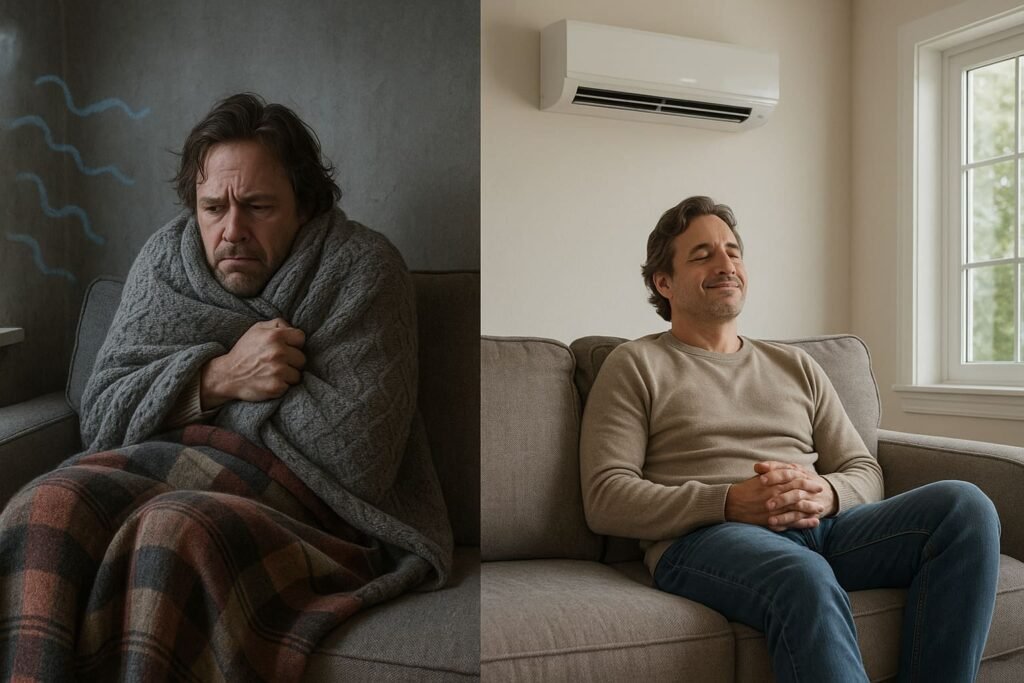
Are certain rooms in your house colder or warmer than others? Uneven temperatures are often a sign of poorly insulated walls, windows, or floors. Not only do these inconsistencies require more energy to regulate, but they can also make living spaces uncomfortably cold or hot.
4. Overworked HVAC Systems
If your home can’t retain heat or cool air effectively, your HVAC system will have to work overtime to maintain your desired temperature. Over time, this leads to higher energy consumption and increased wear and tear on your unit, potentially resulting in costly repairs or replacements.
5. Moisture Problems
Poor insulation can also lead to condensation issues, which might cause moisture to build up in the walls or attic. Excess moisture can damage structural elements of your home and decrease the effectiveness of existing insulation even further.
Signs of Poor Insulation
Identifying poor insulation is the first step toward improving your home’s energy efficiency. Here are some common signs to watch out for:
- Skyrocketing Utility Bills: If your heating or cooling costs seem excessively high, it could indicate that your insulation isn’t doing its job.
- Temperature Fluctuations: Rooms that are too cold in winter or too hot in summer often point to spotty insulation coverage.
- Drafty Rooms: If you feel drafts even when doors and windows are closed, your home may have air leaks due to poorly insulated walls or windows.
- Ice Dams on the Roof: During winter, heat escaping through the roof can melt snow, causing ice dams and water backup.
- Cold Walls and Floors: Properly insulated walls and floors shouldn’t feel noticeably cold to the touch.
How to Fix Poor Insulation
Improving insulation can result in noticeable reductions in heating and cooling costs. Here’s how you can start making your home more energy-efficient.
1. Conduct an Energy Audit
An energy audit can help identify areas where your home is losing the most energy. Professional auditors use tools such as thermal imaging cameras to pinpoint insulation gaps and recommend tailored solutions.
2. Upgrade Attic Insulation
The attic is one of the most significant sources of heat loss in a home. Adding or upgrading insulation in this area can deliver the biggest energy savings. Materials like fiberglass batt, spray foam, or blown-in cellulose are highly effective for this purpose.
3. Insulate Walls and Floors
If your walls and floors feel cold, consider adding insulation to these areas. Retrofitting older homes with blown-in insulation is a common practice to address this issue.
4. Seal Gaps and Cracks
Air leaks around windows, doors, and outlets significantly undermine insulation efficiency. Use weatherstripping, caulking, or foam sealant to close these gaps.
5. Install Energy-Efficient Windows
Windows are often a weak point in home insulation. Double or triple-pane windows with low-emissivity (Low-E) coatings can help reduce heat transfer and improve efficiency.
6. Upgrade to a Smart Thermostat
While not directly related to insulation, a smart thermostat can help optimize your energy use by learning your preferences and automating temperature control for maximum efficiency.
Make Your Home an Energy-Efficient Haven
Proper insulation isn’t just a matter of comfort; it’s a critical factor in reducing heating and cooling costs while protecting your home and HVAC systems. By addressing insulation gaps, sealing air leaks, and upgrading your home with the right materials, you’ll save money in the long run and enjoy a consistent, comfortable living space year-round.
To start your energy efficiency journey, consider conducting a professional energy audit or consulting an insulation expert. The effort you invest now will pay off with lower bills and a more sustainable home.